
OASIS researchers bring surgical innovation to Parliament
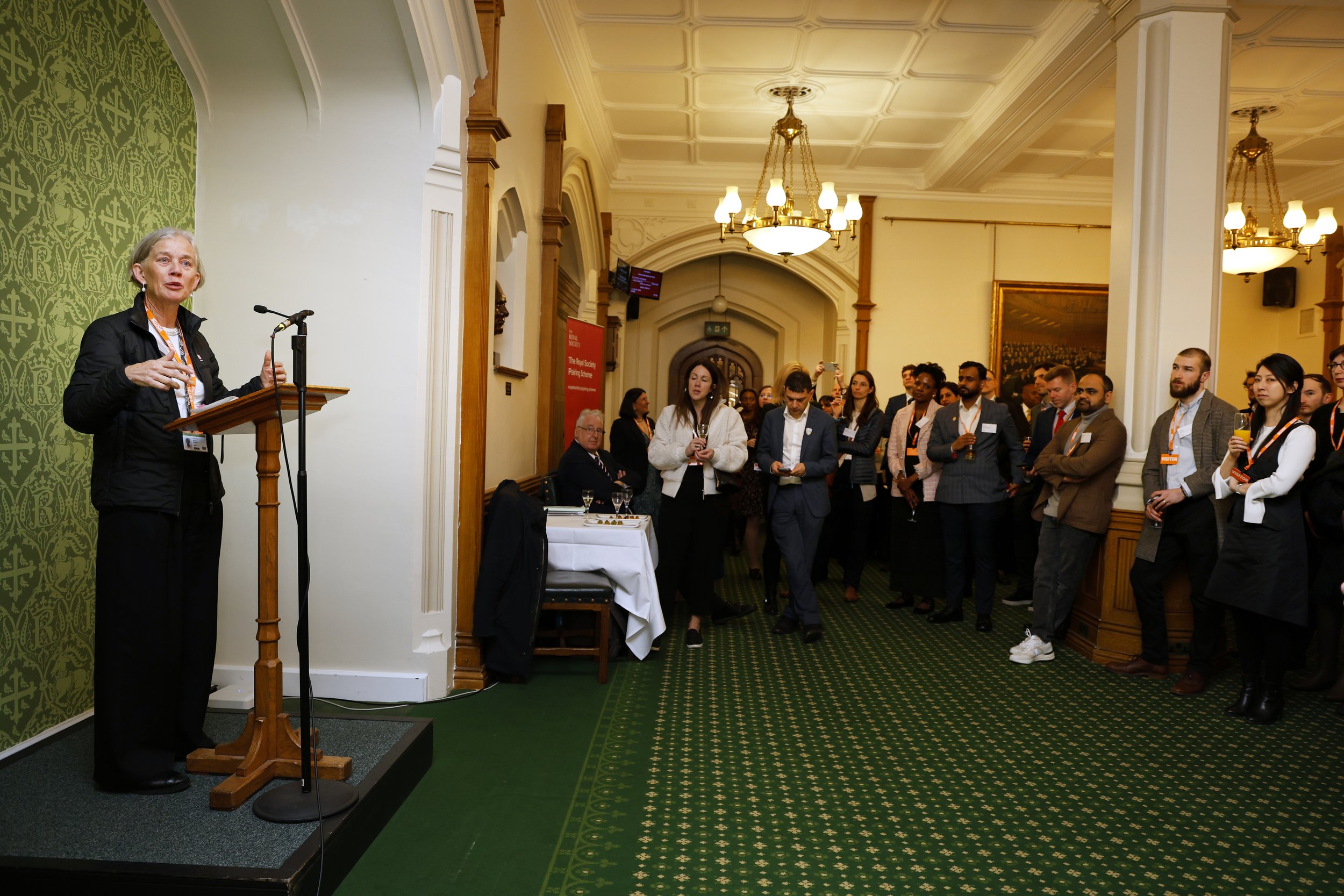
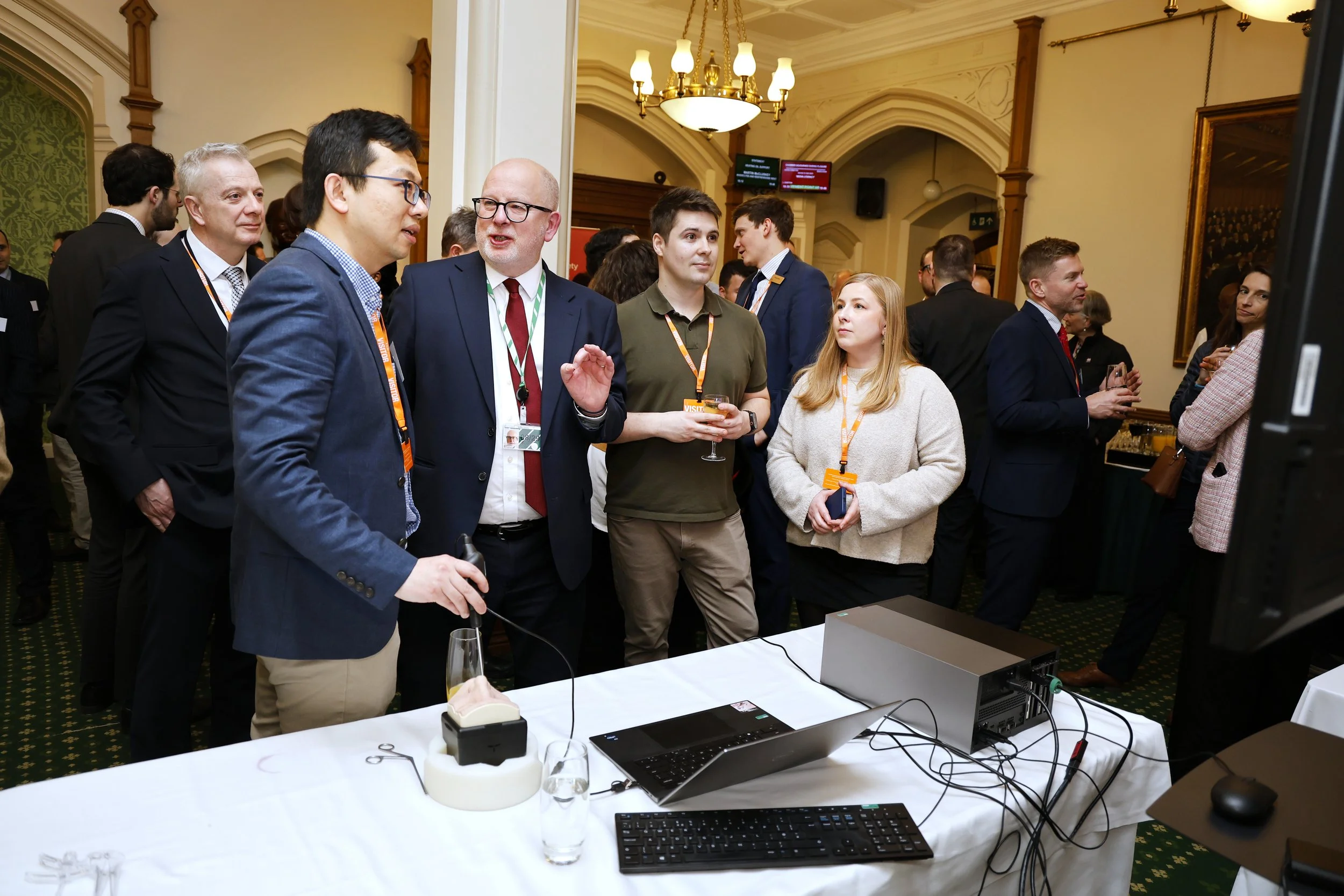
Last week, Dr Zhehua Mao represented the OASIS Hub at the House of Commons, presenting their research as part of the Royal Society Pairing Scheme reception.
Organised by Steve Yemm MP on behalf of the Royal Society and the Government Science and Engineering Profession, the event brought together scientists and policymakers under the theme of ‘Research for a better tomorrow: where science meets society’.
AI-guided navigation for brain tumour surgery
Dr Zhehua Mao presented Surg-CoPilot, an AI system developed by the Surgical Robot Vision research group to support surgeons during complex pituitary tumour operations.
Through a live demonstration, Zhehua showed how the system provides real-time intraoperative guidance, by identifying regions of the skull base that can be safely accessed while flagging high-risk areas where critical anatomical structures lie.
Acting as an intelligent co-pilot, Surg-CoPilot is designed to reduce the risk of surgical complications and support better patient outcomes in one of neurosurgery's most technically demanding procedures.
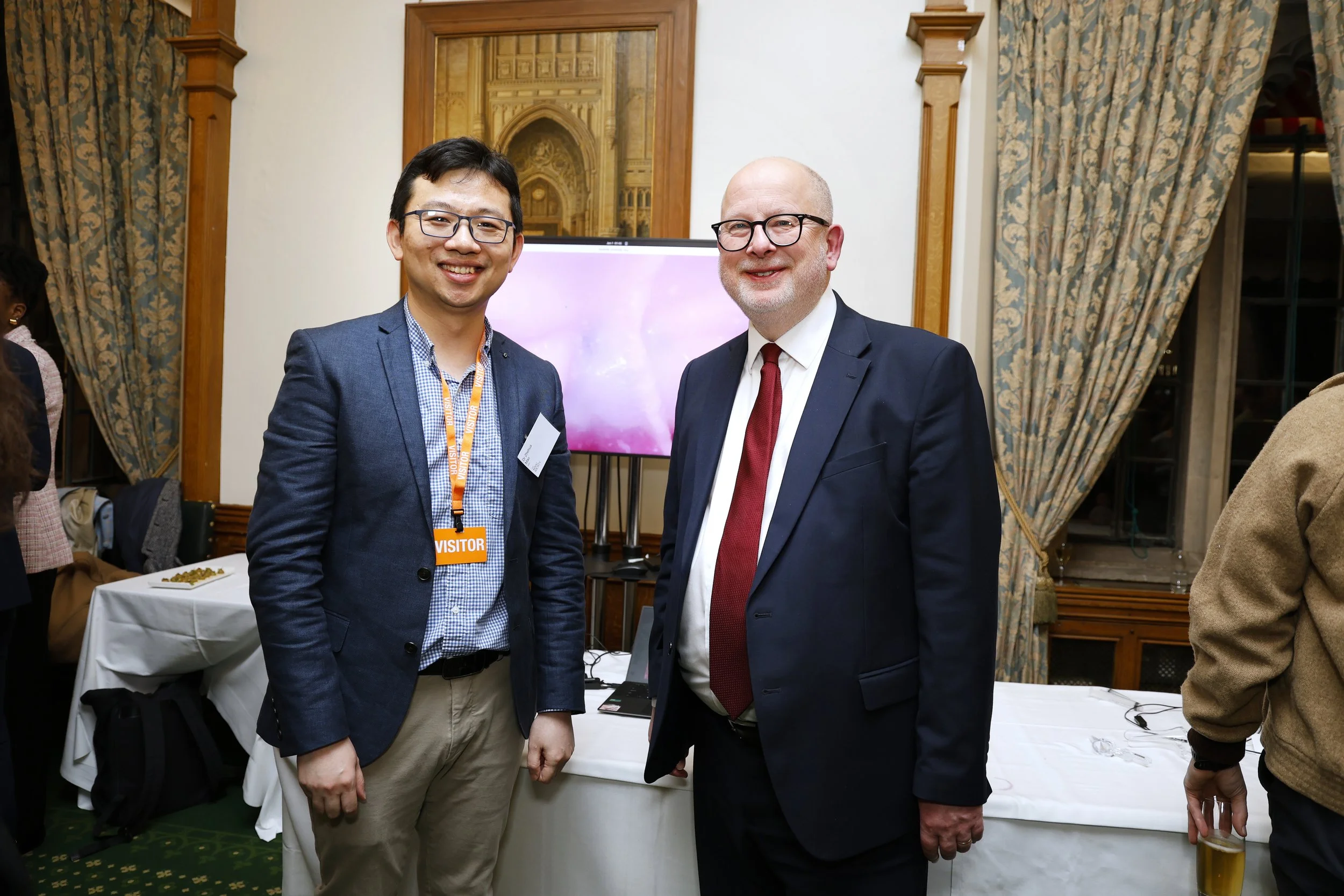
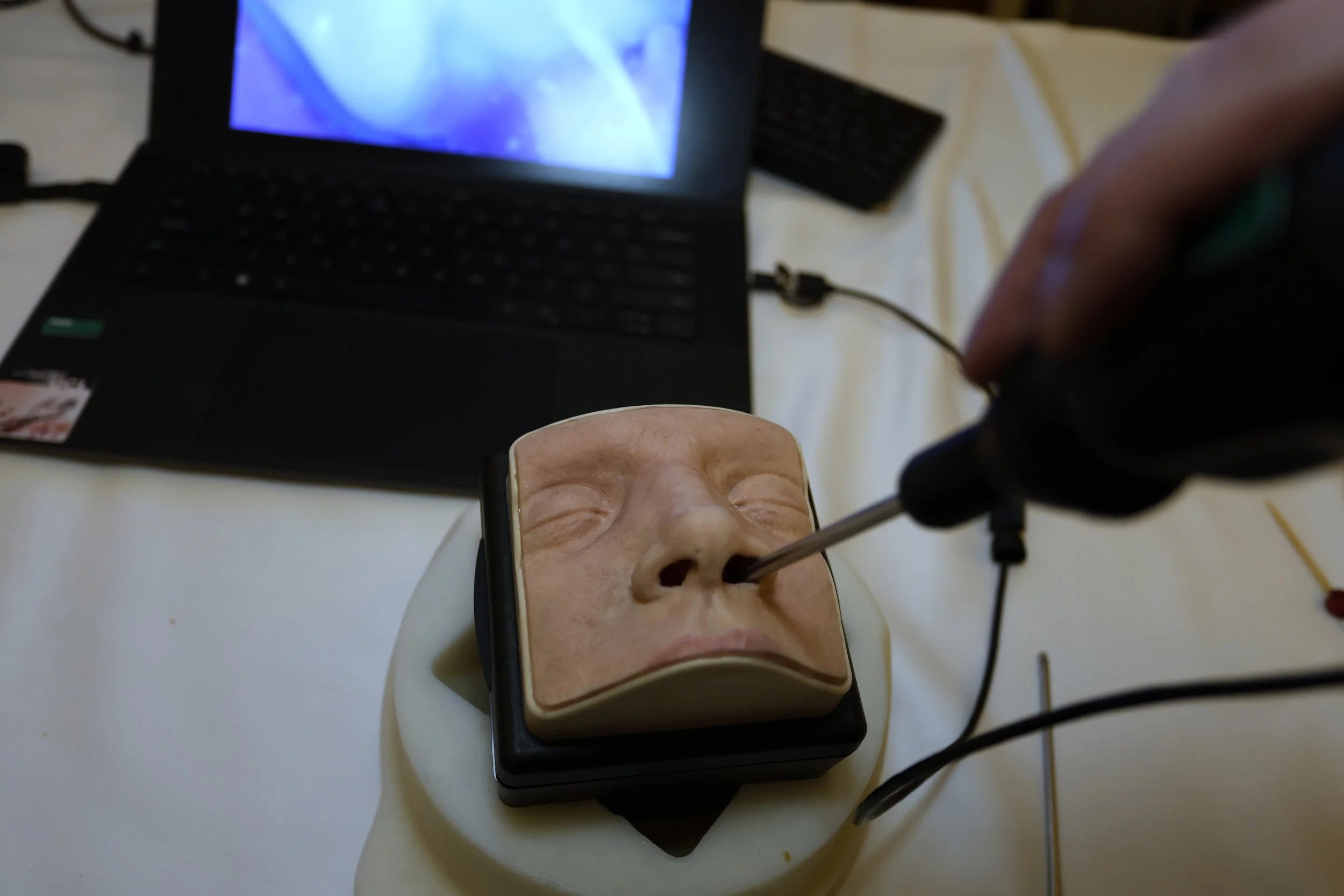
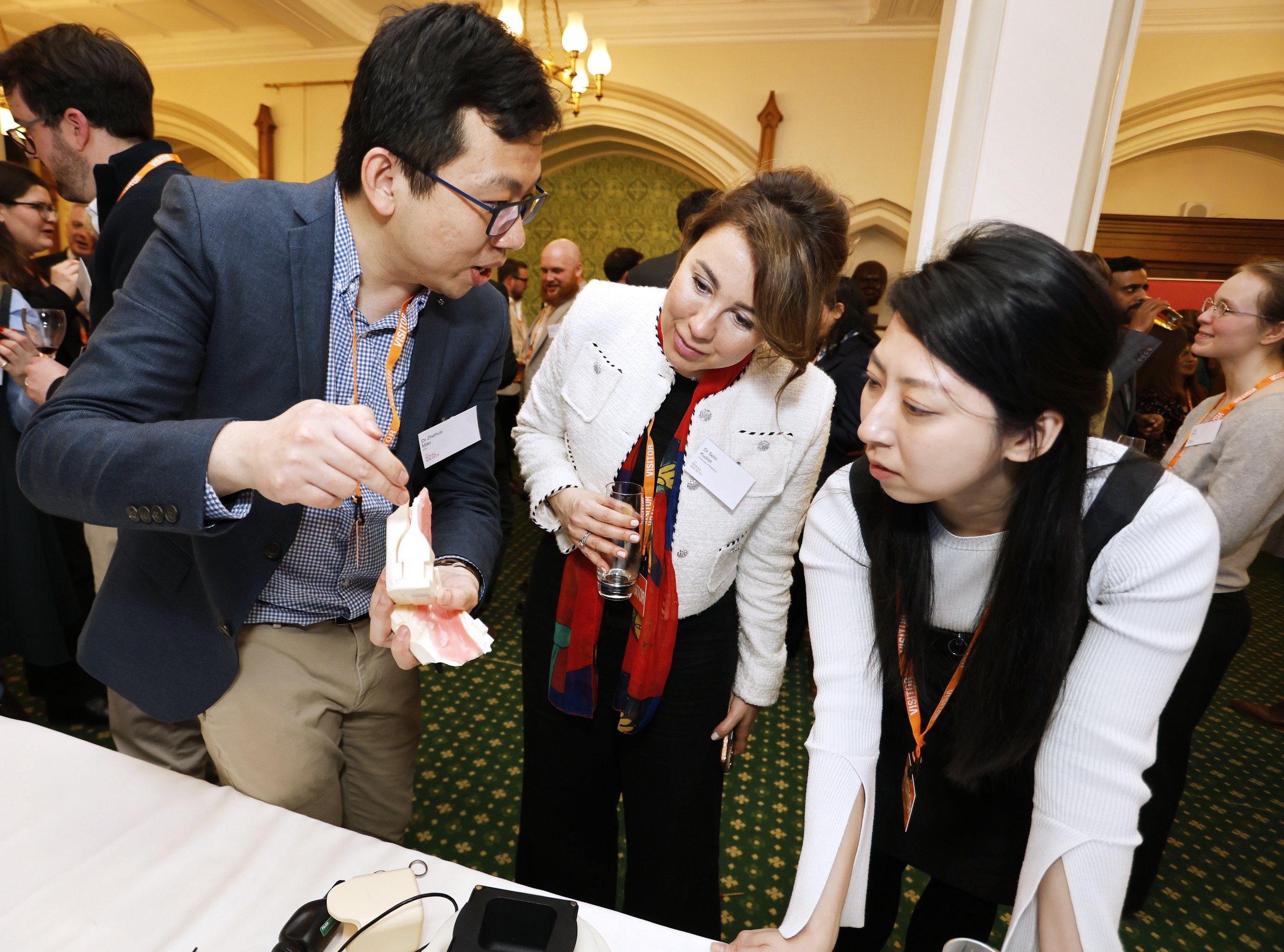
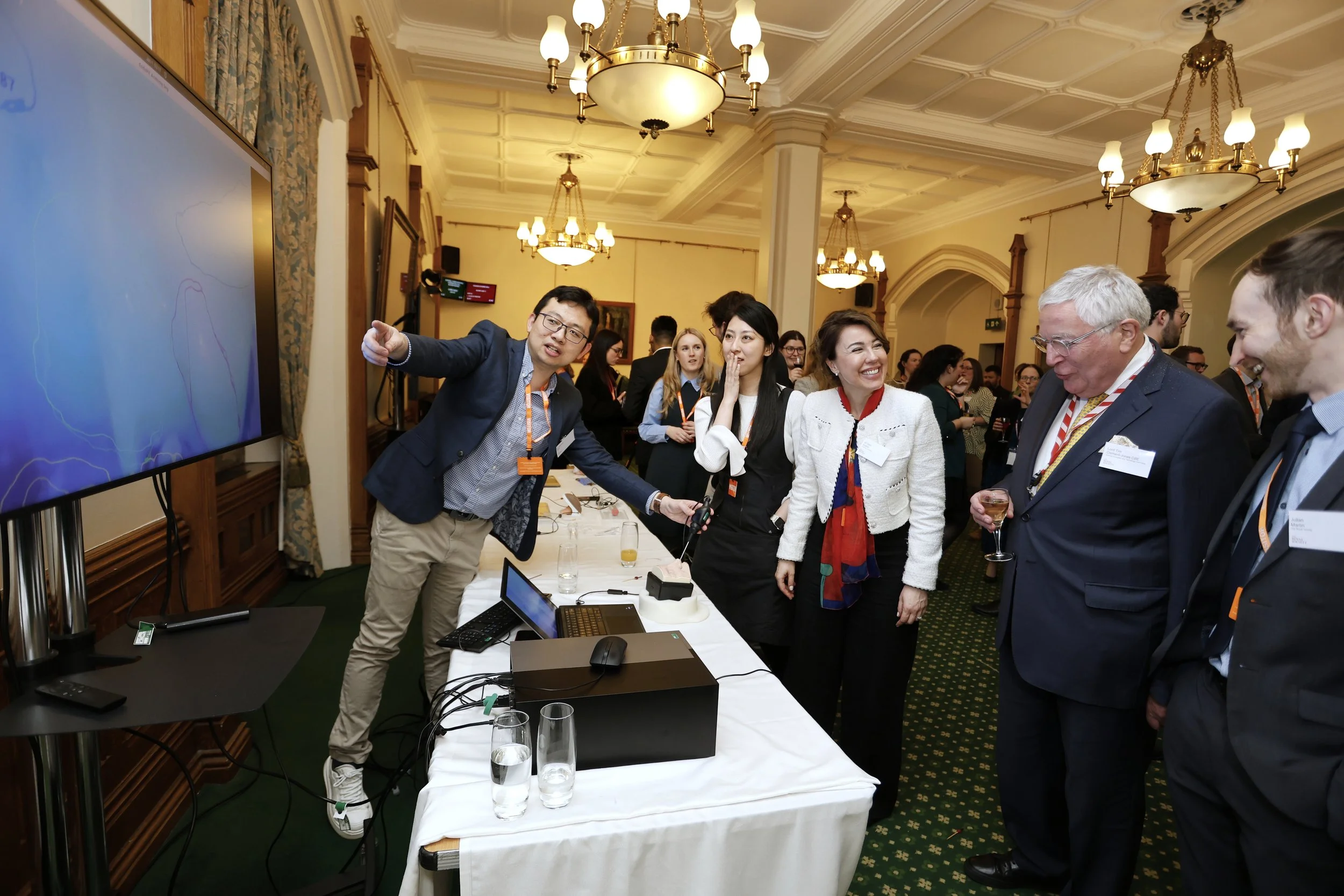
The reception provided a valuable opportunity for all three researchers to engage directly with parliamentarians and policymakers, discussing not only the science but the societal and health system implications of their work.
The presence of these projects at Westminster reflects the growing recognition that surgical innovation, from AI-guided neurosurgery to accessible screening tools, has a direct role to play in shaping health policy and addressing inequalities in care.
The Royal Society Pairing Scheme pairs working scientists with Members of Parliament and civil servants, with the aim of building mutual understanding between the research community and those who shape the policy environment in which it operates.